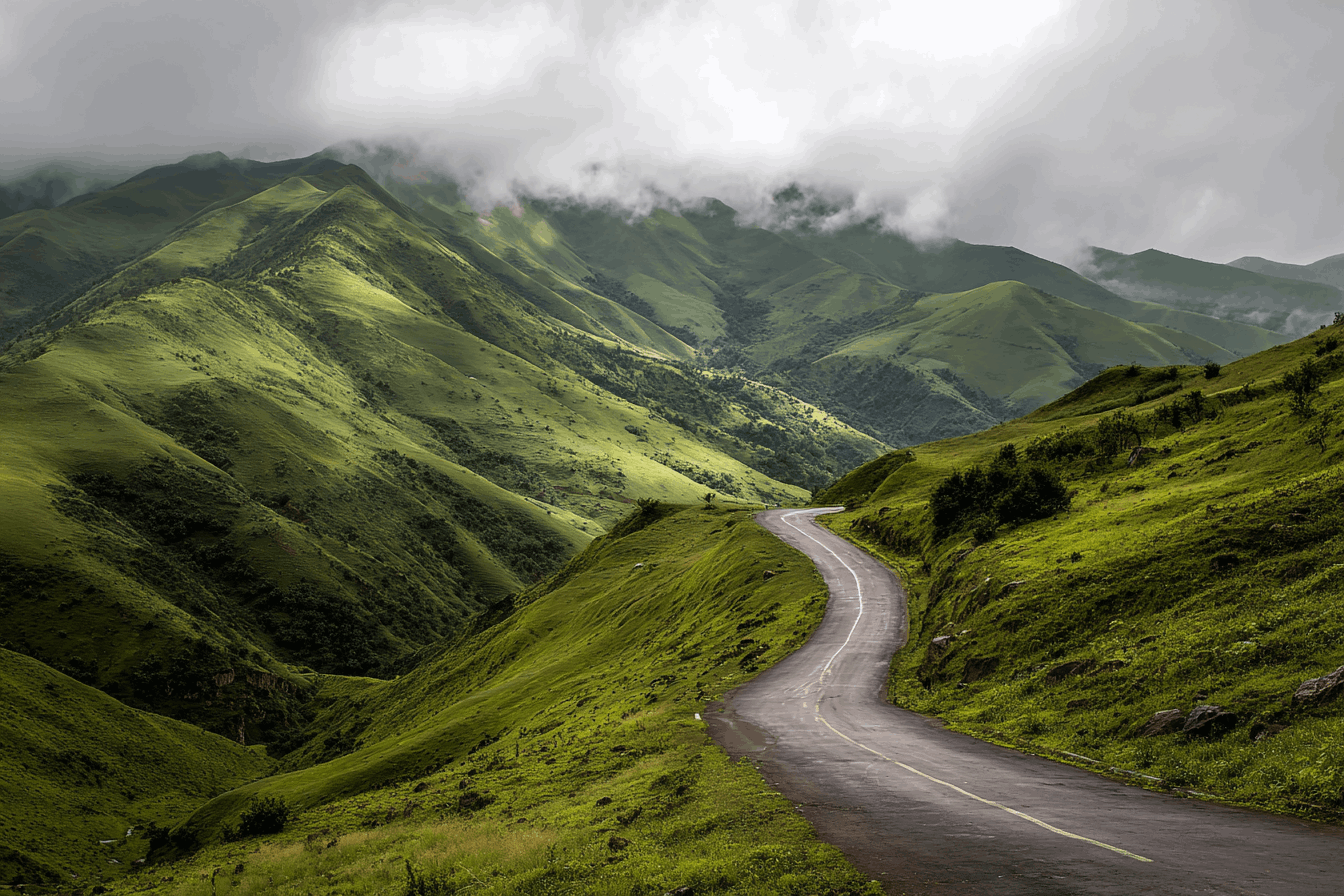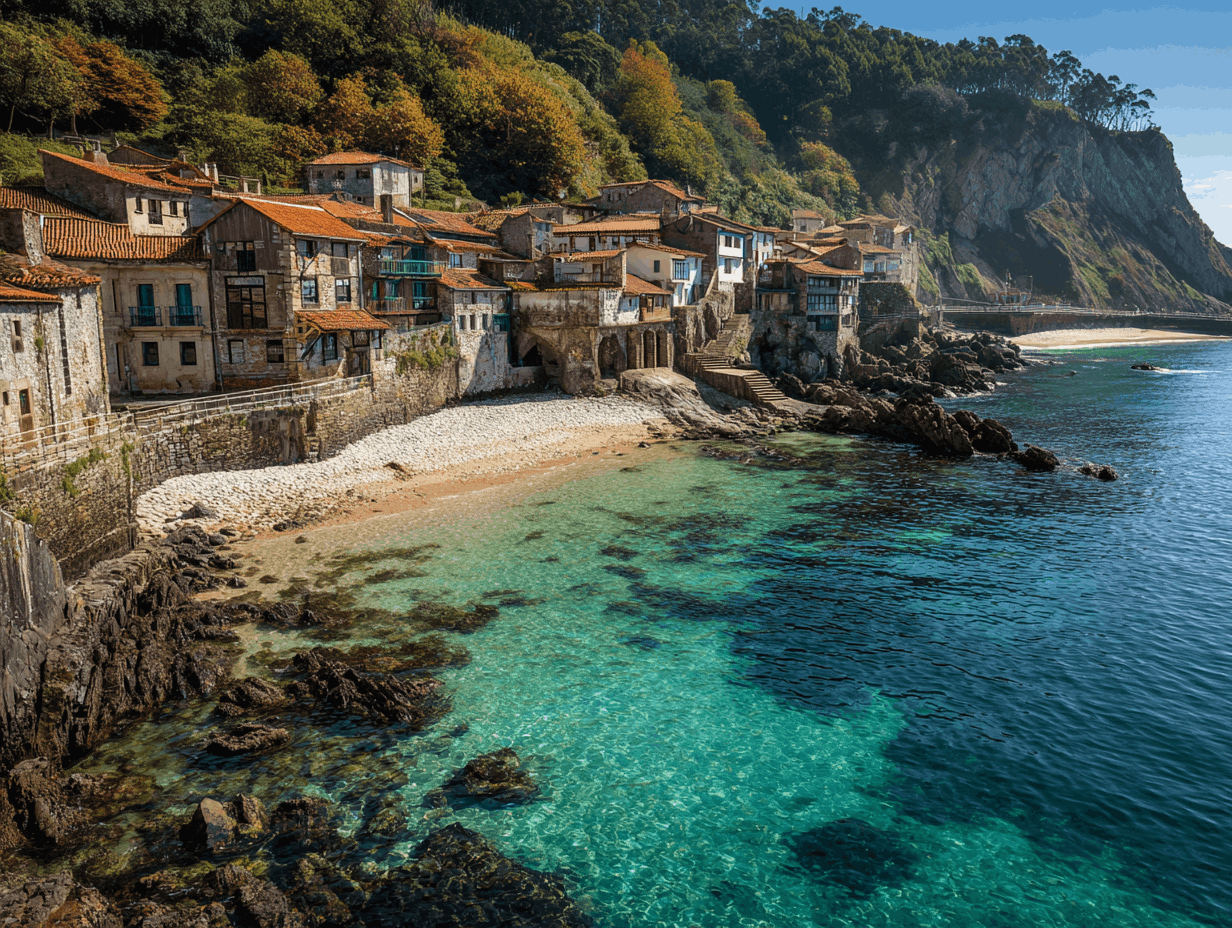
If you looking for something different from the sunny south of Spain, the rugged coast of Asturias and Galicia in the north is pure magic. These areas have dramatic cliffs, hidden beaches and a very authentic local life that still feels untouched by mass tourism.
Start with Cudillero in Asturias. Its one of those towns built almost vertically on the hillside with colorful houses stacked on top of each other. The fishing port at the bottom is small and lively in the morning when boats come back with fresh catch. You can spend hours just walking the narrow streets or sitting by the sea with a plate of pulpo. This place really feels like cinematic small towns, the kind you see in movies but rarely find in real life.
Not far from there Lastres offers even more peace. The town is smaller, the views over the Cantabrian Sea are stunning and the pace of life is slow. People here are friendly but not pushy. In the evenings you hear only waves and occasional conversations from local bars. Its perfect for solo travelers who want to explore without any stress or crowds.
Moving into Galicia the coastline becomes even wilder. Places like Combarro with its traditional horreos (stone granaries) standing right by the water give you that strong sense of local culture. The rias (fjord-like inlets) create beautiful quiet beaches where you can swim or just relax with almost no one around. Further west toward Costa da Morte the cliffs get higher and the atmosphere more dramatic. Towns like Muxia or Fisterra feel like the end of the world in the best possible way.
What surprised me is how suitable some of these towns are for remote work. Good enough internet in cafes and plenty of quiet spots to focus during the day, then you finish and walk straight to the ocean. Not as warm as Portugal but the fresh air and green landscapes make up for it completely.
The food here is another reason to come. Fresh seafood, local cider in Asturias and those hearty Galician stews when the weather gets cooler. Everything tastes better after a long walk along the cliffs. And the best part? You dont need to plan much. Rent a car, drive between small towns and stop wherever looks interesting. Public buses also work fine if you travel light.
Best time to visit is late spring or early autumn. Summers can get a bit busier but still nothing compared to Mediterranean coast. These hidden shores give you real Spain, the one with strong character, powerful nature and peaceful days. If you enjoy slow travel and places that feel genuine, northern Spain coast will not disappoint you. Sometimes the less famous regions end up being the most memorable.
Get fresh travel ideas, new hidden gems, and seasonal recommendations straight to your inbox.
Join the VenturNet community — no spam, only good stuff.